
What A First-Timer Actually Needs To Know Before Booking
Treat everything below as guidance for slotting a genuinely worthwhile, low-friction activity into a trip you are likely already planning around other primates, rather than as a standalone decision requiring its own extensive research.
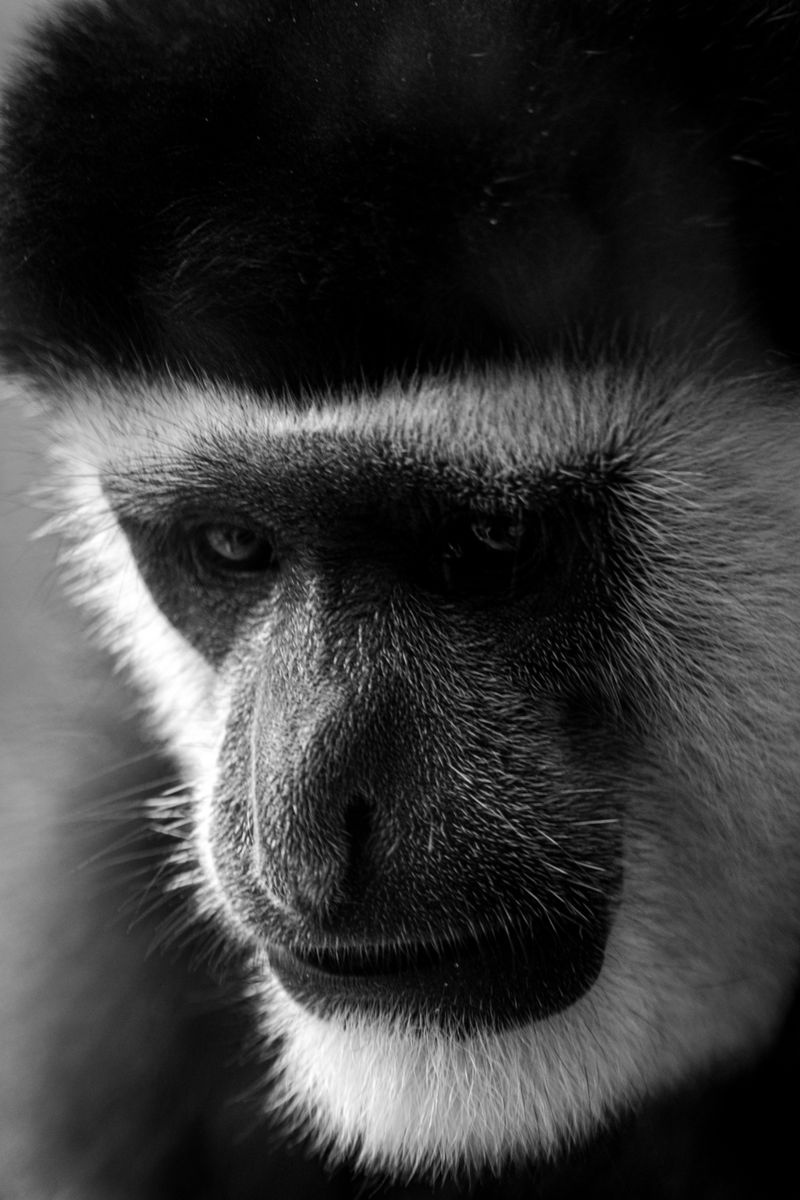
Colobus monkeys are unusual among the primates covered in this series in that seeing one rarely requires any dedicated booking decision at all. There is no colobus-specific permit, no colobus-only trekking product, and no country where colobus viewing is the primary draw of the trip. Understanding that fact upfront reframes the entire planning question: rather than asking which country or which permit, the more useful question is which of our existing itineraries already puts you in the kind of forest where colobus sightings happen naturally, and how to make the most of that opportunity once you are there.
Why Colobus Monkeys Do Not Have Their Own Permit System
Understanding this distinction also explains why guides discuss colobus monkeys so differently from gorillas or chimpanzees when planning your trip, treating the activity as a flexible addition to be scheduled around everything else rather than a fixed, date-locked commitment made months in advance.
Gorillas, chimpanzees and golden monkeys all require dedicated permits because park authorities limit and closely manage visitor access to preserve those specific habituated groups, a system built around a defined daily quota per family or troop. Colobus monkeys, by contrast, are considerably more numerous and widespread within the same protected forests, and their arboreal, leaf-eating lifestyle means troops tolerate a passing nature walk without the same careful, individually managed habituation process gorillas and chimpanzees require. This is genuinely good news for travellers: no advance permit booking, no risk of a sold-out date, and no need to coordinate this activity months in advance the way gorilla or chimpanzee trekking demands.
Where Colobus Sightings Actually Happen
A Byproduct Of Forest Walks, Not A Standalone Trip
Black-and-white colobus monkeys turn up reliably on forest monkey tracking and nature walk tours across Uganda’s Bwindi and Kibale forests and Rwanda’s Nyungwe Forest, as well as incidentally during gorilla and chimpanzee trekking in the same general forest systems. There is no need to book a separate activity purely for colobus viewing if your itinerary already includes time in any of these forests.
When A Dedicated Nature Walk Is Worth Adding
If your itinerary does not already include forest walk time, and colobus monkeys specifically interest you, adding a half-day nature walk is a low-cost, low-commitment way to guarantee a proper look rather than hoping for an incidental sighting during a trek focused on a different species.
What This Costs
Even travellers on the tightest possible budget for an African primate trip can comfortably include this activity without meaningfully adjusting their spending elsewhere.
This affordability makes colobus viewing an easy addition even for travellers working within a tight budget who have already allocated the bulk of their spending toward the more expensive gorilla or chimpanzee permits elsewhere in the same trip. It is rare for any single line item on an African primate itinerary to add so much visual and experiential value for so little marginal cost.
Because there is no dedicated colobus permit, cost here is simply whatever a standard forest nature walk costs, generally a modest park entry and guide fee rather than anything resembling gorilla or chimpanzee permit pricing. This makes colobus viewing one of the least expensive primate encounters on any itinerary, easily added without meaningfully affecting your overall trip budget.
How Fit You Need To Be
Because the walking is gentle and the total time commitment short, this is one of the very few activities on any African primate itinerary that genuinely suits every member of a multi-generational travelling group at once, from young children to grandparents, without anyone needing to sit out or take a modified, easier version of the day.
Minimal. Nature walks built around colobus and other forest monkey viewing run at a relaxed pace over gentle trails, typically two to three hours, making this one of the most accessible activities on this entire list for travellers of any fitness level, including those unable to manage gorilla or chimpanzee trekking’s more demanding terrain.
A Realistic Walkthrough Of A Nature Walk
Guides leading these walks generally know several different colobus troops’ typical ranging patterns within a given forest section, built up through repeated walks along the same trails over time, which meaningfully improves the odds of a sighting compared to a random, unguided walk through the same forest. This local knowledge is a large part of what you are paying for in a guided nature walk, even without a formal permit system attached to the activity.
Unlike permitted primate trekking, a nature walk does not track a specific known troop from the previous night’s location. Instead, your guide leads you along trails known to reliably pass through colobus territory, watching and listening for the group’s presence as you go. Sightings are highly likely but not absolutely guaranteed the way a permitted gorilla trek’s family-specific tracking is, and the relaxed pace means you can stop, watch and photograph for as long as a group remains visible rather than working against a strict one-hour limit.
The Best Time Of Day To Go
This same early-morning and late-afternoon window also tends to offer the most favourable natural light for photography, an added bonus for travellers scheduling their walk primarily around maximising the chance of an active sighting rather than photography specifically, since the two priorities happen to align well here.
Colobus monkeys are most active, and therefore most visible, during the cooler hours of early morning and late afternoon, resting through the heat of midday much like many other forest primates. Scheduling a nature walk around these windows, rather than the middle of the day, meaningfully improves your odds of an active, engaged sighting rather than finding a quiet, resting troop tucked into shaded canopy cover.
Combining Colobus Viewing With Other Activities
This flexibility is a large part of what makes colobus viewing such an easy recommendation regardless of what else your itinerary already includes; there is essentially no version of a Uganda or Rwanda forest-based trip that cannot accommodate it without meaningful disruption to the rest of your schedule.
Because colobus sightings require so little dedicated planning, the most efficient approach is simply building a forest nature walk into a rest day between more demanding activities, such as the day after a gorilla trek or alongside a chimpanzee trekking morning in the same forest system, rather than treating it as a separate line item requiring its own logistics.
What To Bring
Almost none of this needs dedicated purchase; a light day hike kit already suits the activity fine.
Insect repellent is worth adding to this list specifically, since the relaxed pace of a nature walk means more time standing still watching a troop overhead, which gives biting insects considerably more opportunity than the faster-moving pace of a permitted primate trek typically allows.
Comfortable walking shoes rather than full hiking boots, a light layer for variable forest temperature, and binoculars, genuinely useful here given how much colobus activity happens high in the canopy rather than at eye level. A telephoto lens is worth prioritising over a wide-angle setup if photography is a priority, since colobus monkeys rarely descend low enough for a close, unobstructed shot without magnification.
Who This Suits Best
It is genuinely difficult to name a type of traveller this activity does not suit well.
Repeat visitors to a region who have already done the headline gorilla or chimpanzee trekking on a previous trip also frequently add a colobus-focused nature walk on a return visit specifically because it offers a fresh, low-key highlight without requiring the same physical commitment or advance booking pressure as the activities they have already experienced.
Families with young children, travellers managing physical limitations that rule out demanding treks, and anyone building a rest day into a longer itinerary all get genuine value from a colobus-focused nature walk without needing to compromise on seeing a genuinely striking, photogenic primate species.
Setting Realistic Expectations
Because there is no permit system guaranteeing a specific troop’s location the way gorilla or chimpanzee trekking does, treat a colobus-focused nature walk as a very high-probability rather than absolutely guaranteed sighting. In practice, guides working established forest routes report successful sightings on the large majority of walks, but going in understanding this is a nature walk rather than a permitted tracking excursion sets expectations correctly and avoids any disappointment on the rare occasion a troop happens to be foraging outside its usual range that particular morning.
Adding This To Your Itinerary
A short note in your initial planning conversation is all it takes.
Mention colobus monkeys specifically when planning your trip through our contact page, and we will build a nature walk into your itinerary at whichever point works best around your other activities, whether that is a dedicated half-day excursion or simply timed to overlap with a forest you are already visiting for another reason.