

What A First-Timer Actually Needs To Know Before Booking
Everything below expands on that headline point, working through why the gap exists, what genuinely worthwhile alternatives are available today, and what, if anything, might change this picture down the line.
The most important practical fact about bonobos belongs at the very top of this guide rather than buried further down: we do not currently offer bonobo trekking as a bookable activity, and neither does almost any operator running trips across Uganda, Rwanda, DRC’s Virunga region or Tanzania. This is not an oversight or a gap in our offering specifically. It reflects a genuine, industry-wide reality about where bonobos live and how developed, or rather undeveloped, tourism infrastructure remains in that specific part of the Democratic Republic of Congo. Understanding why changes how you should think about this species while planning a trip.
Why We Are Leading With This Rather Than Burying It
Read the rest of this guide with that framing in mind.
We could write a version of this guide that reads like every other complete guide in this series, walking through country choice, cost and a day-of-trek itinerary, and simply never mention that the activity is not currently bookable. That would be dishonest, and it would waste your planning time on a trip we could not actually deliver. Every other species covered in this series can genuinely be booked and experienced through a reasonably established tourism process. Bonobos, for now, sit in a different category, and we think you are better served knowing that clearly and early rather than discovering it after investing planning time and emotional anticipation into a trip that was never realistically available.
Why Bonobo Trekking Is Not A Standard Tourism Product
Two overlapping factors explain the gap, and understanding both helps set realistic expectations rather than treating this as a simple, easily-solved oversight.
A Habitat Problem, Not A Willingness Problem
Every wild bonobo lives south of the Congo River, in lowland rainforest considerably more remote and logistically difficult to reach than the well-established gorilla and chimpanzee trekking regions of Uganda, Rwanda and Tanzania. Few habituated bonobo populations exist in a form that could safely and reliably host regular visitor groups the way gorilla families or chimpanzee communities elsewhere do.
Security And Infrastructure Considerations
Parts of the wider region carry security and access considerations that require careful, current assessment before any operator would responsibly build a trip around them. This is a genuinely different situation from the well-developed, secure tourism infrastructure surrounding gorilla trekking in Rwanda or Uganda specifically.
How Bonobo Access Compares To Gorilla Trekking’s Early Days
It is worth noting that gorilla trekking itself was once considerably less accessible than it is today, developing over decades from limited research access into the well-established, permit-based tourism product it is now. Bonobo tourism, where it exists at all, is genuinely earlier in a comparable development curve, constrained by habitat remoteness and regional access considerations that gorilla trekking regions in Uganda and Rwanda have largely overcome through decades of sustained investment and infrastructure development.
What This Means For Your Trip Planning
If bonobos are a genuine priority for you, the honest answer is that this trip currently sits outside what we, or most responsible operators, can arrange reliably and safely. Rather than force an itinerary around a genuinely difficult-to-access species, we recommend treating bonobo interest as something to revisit if and when tourism infrastructure in the relevant region develops further, and focusing your actual booked trip on the primates genuinely accessible today.
What You Can Do Instead
Think of this as redirecting your enthusiasm toward trips that are genuinely ready for visitors today, rather than settling for something lesser.
Both of these substitutes have genuine standalone value rather than functioning purely as consolation options, since Virunga’s gorillas and Kibale’s chimpanzees are remarkable experiences in their own right, not simply the closest available approximation of a trip you originally wanted to take.
Our DRC gorilla trekking itineraries in Virunga National Park offer a genuine, well-established way to experience the country’s primate wildlife and support its conservation economy, without the access challenges specific to bonobo habitat further south. For travellers whose real underlying interest is understanding great ape social diversity broadly, a chimpanzee trek paired with genuine background reading on bonobo behaviour delivers much of the same intellectual satisfaction without requiring an inaccessible booking.
Learning About Bonobos Without Trekking
Documentary footage and published research on bonobo behaviour, much of it drawn from decades of dedicated field study at sites like Lomako Forest and Wamba, offer a genuinely rich window into this species’ social structure even without a personal visit, and several well-regarded books on great ape behaviour cover the bonobo-chimpanzee contrast in detail for travellers who want a deeper understanding before or instead of an in-person encounter.
Several accredited sanctuaries and conservation organisations working directly with bonobos publish detailed research and, in some cases, offer limited, carefully managed visitor access under research or conservation-focused programs rather than standard tourism booking. If this route genuinely interests you, we can point you toward reputable organisations working in this space, though this sits outside our own tour offerings and would need to be arranged directly with the relevant organisation.
What Might Change In The Future
We would rather tell you honestly today that this option does not exist yet than oversell an inaccessible trip and leave you disappointed once actual booking logistics revealed the gap between marketing and reality.
Tourism infrastructure around bonobo habitat has developed slowly over the years, and it is possible that more accessible, responsible viewing options emerge over time as conservation organisations expand habituation and research programs. We monitor this space and would evaluate any genuinely responsible new option carefully before adding it to our lineup, rather than rushing to offer something before proper safety and conservation standards are in place.
How This Compares To Other “No Standard Product” Situations
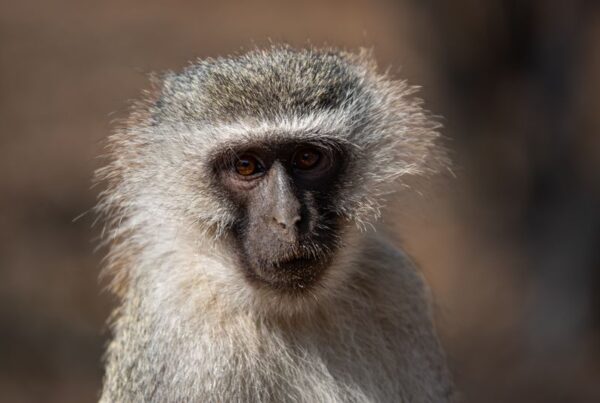
Bonobos are not entirely alone in this category among African primates broadly, though within our own destination portfolio they are the clearest example of a genuinely inaccessible species rather than simply a lower-priority add-on like colobus or vervet monkeys, which lack a dedicated permit but remain freely and easily encountered. The distinction matters: colobus and vervet sightings happen incidentally and reliably during other activities, while bonobo sightings, for most travellers, currently do not happen at all through any standard booking channel.
Setting The Right Expectations From The Start
If you found this page while researching a broader African primate trip and bonobos were on your initial wish list, treat this guide as useful, honest information for adjusting your plans early rather than as disappointing news to push past quickly. The rest of this destination portfolio, gorillas, chimpanzees, golden monkeys and the wider primate diversity covered elsewhere on this site, offers genuinely world-class wildlife experiences that stand entirely on their own merits, independent of whatever bonobo access eventually develops in the future.
Common First-Timer Questions
A few more questions come up often enough from travellers researching this specifically to address directly.
Travellers sometimes ask whether any operator anywhere offers bonobo trekking. A small number of specialised research-tourism programs exist, though they differ considerably from the standardised, permit-based trekking format used for gorillas and chimpanzees, and availability, cost and access requirements vary in ways that are difficult to generalise reliably. Others ask whether this means bonobos are somehow less worth learning about; quite the opposite, given how significant the bonobo-chimpanzee behavioural contrast is to understanding great ape social evolution, a topic well worth exploring even without a bookable trekking product attached.
Why We Chose Transparency Over A Sales Pitch
This approach extends to how we handle every species on this list, not just bonobos: if something is not reliably deliverable, we say so plainly rather than dress up an uncertain possibility as a confirmed offering.
Some travel companies list bonobo trekking as a bookable product anyway, quietly relying on the fact that few travellers actually follow through to the booking stage where the access gap becomes apparent, or padding a itinerary with vague “possible bonobo viewing” language that rarely materialises into anything concrete on the ground. We would rather lose an inquiry from a traveller set on bonobos specifically than build a trip around a promise we cannot reliably keep, and we think that honesty ultimately serves both our reputation and your actual trip planning better than a more appealing but misleading answer would.
The Bottom Line
Bonobos remain one of the most scientifically fascinating great apes on the planet, and nothing about their current inaccessibility diminishes that. It simply means a genuine, responsible visit is not yet something we can offer, and we would rather you know that clearly now than find out later.
If Your Plans Change
If circumstances around bonobo tourism access change, or if you want to discuss what current DRC itineraries can responsibly include, reach out through our contact page and we will give you an honest, current assessment rather than an overly optimistic sales pitch for something we cannot reliably deliver.