
The Question Almost Every First-Time Trekker Asks
Standing seven metres from an animal that can weigh over 180 kilograms and outmuscle a grown man without effort is, understandably, a little intimidating to think about beforehand. It is the single most common hesitation we hear from people considering their first trip, usually phrased some version of the same way: is this actually safe, or are we taking a real risk for the sake of a good photo? The honest answer is that gorilla trekking has an excellent safety record, built on decades of established protocol, but that record depends on rules that exist for real reasons, not just bureaucracy.
What Makes Gorillas Different From Dangerous Wildlife
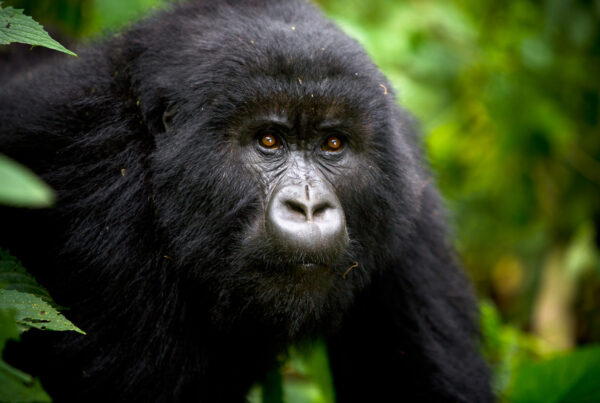
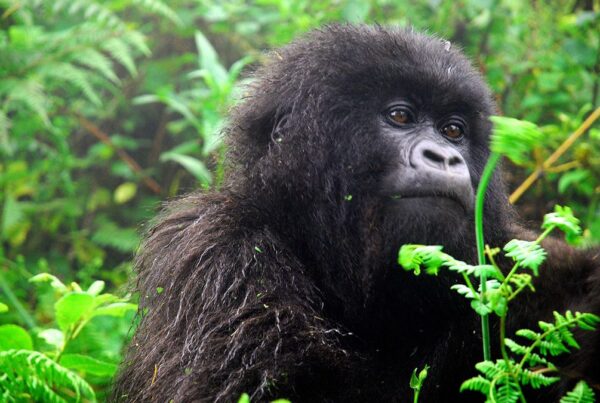
Gorillas are not predators, and they are not naturally aggressive toward humans. Their diet is almost entirely plants, and their size and strength evolved for competing with other gorillas over territory and mates, not for hunting. Left undisturbed, a silverback’s default response to an unfamiliar presence is caution and avoidance rather than confrontation. Decades of gorilla tourism across Uganda, Rwanda and DRC have established behavioural patterns well enough that guides and rangers can read early warning signs long before a situation becomes genuinely tense.
This is fundamentally different from trekking near predators like lions or leopards, where the animal’s evolved strategy involves stalking and surprise. Gorillas react to disturbance, they do not seek it out, and habituated families in particular have spent years growing accustomed to calm, predictable human behaviour at a respectful distance.
Why The Seven Metre Rule Exists
Every gorilla trekking permit comes with a minimum viewing distance, generally around seven metres, and it exists for two overlapping reasons rather than one. The first is genuinely about your safety, keeping enough space that a startled gorilla has room to move without a human being in the way. The second, and arguably more important reason, is disease transmission. Gorillas share close to ninety-eight percent of their DNA with humans, which means they are also susceptible to many human respiratory illnesses, and a common cold that would barely register for a person can spread through a gorilla family with serious consequences.
This is also why operators, including us, ask trekkers with a cough, cold or any contagious illness to sit that day’s trek out. It is not a minor inconvenience built into the fine print. It is one of the most important protective measures in the entire system, protecting the gorillas from us rather than the other way around.
What Actually Happens If A Gorilla Approaches
Habituated gorillas sometimes move closer than the recommended distance on their own initiative, since the seven metre rule constrains human behaviour, not gorilla behaviour. When this happens, your guide will calmly direct the group to move back rather than toward the animal, and will instruct everyone to stay low, avoid direct eye contact, and remain quiet. These responses are not improvised. They come from established protocol that every licensed ranger and guide is trained in specifically, and the vast majority of trekkers never see anything beyond calm curiosity from the gorillas themselves.
Aggressive displays, chest beating or a mock charge, are rare and almost always directed at establishing dominance within the family rather than at visitors. Guides recognise the difference between normal social behaviour and genuine agitation immediately, and treks are structured so that an experienced ranger is always positioned to manage the group’s response.
The Physical Risk Is Mostly The Terrain, Not The Animals
If there is a genuine safety consideration in gorilla trekking, it is the hike itself rather than the encounter. Steep, muddy, uneven forest trails at altitude present a real physical demand, and most trekking injuries that do occur are slips, strains or falls on difficult terrain rather than anything involving the gorillas. This is exactly why sturdy footwear, appropriate preparation and honest self-assessment of your own fitness matter more than most people expect before booking.
Porters are available at every trailhead specifically to reduce this risk, carrying bags and offering a steadying hand on the most difficult sections. Telling your guide about any mobility concerns or health conditions before the trek starts lets them plan a more manageable route where possible and match you with an appropriately experienced porter.
How Rangers Actually Read A Gorilla’s Mood
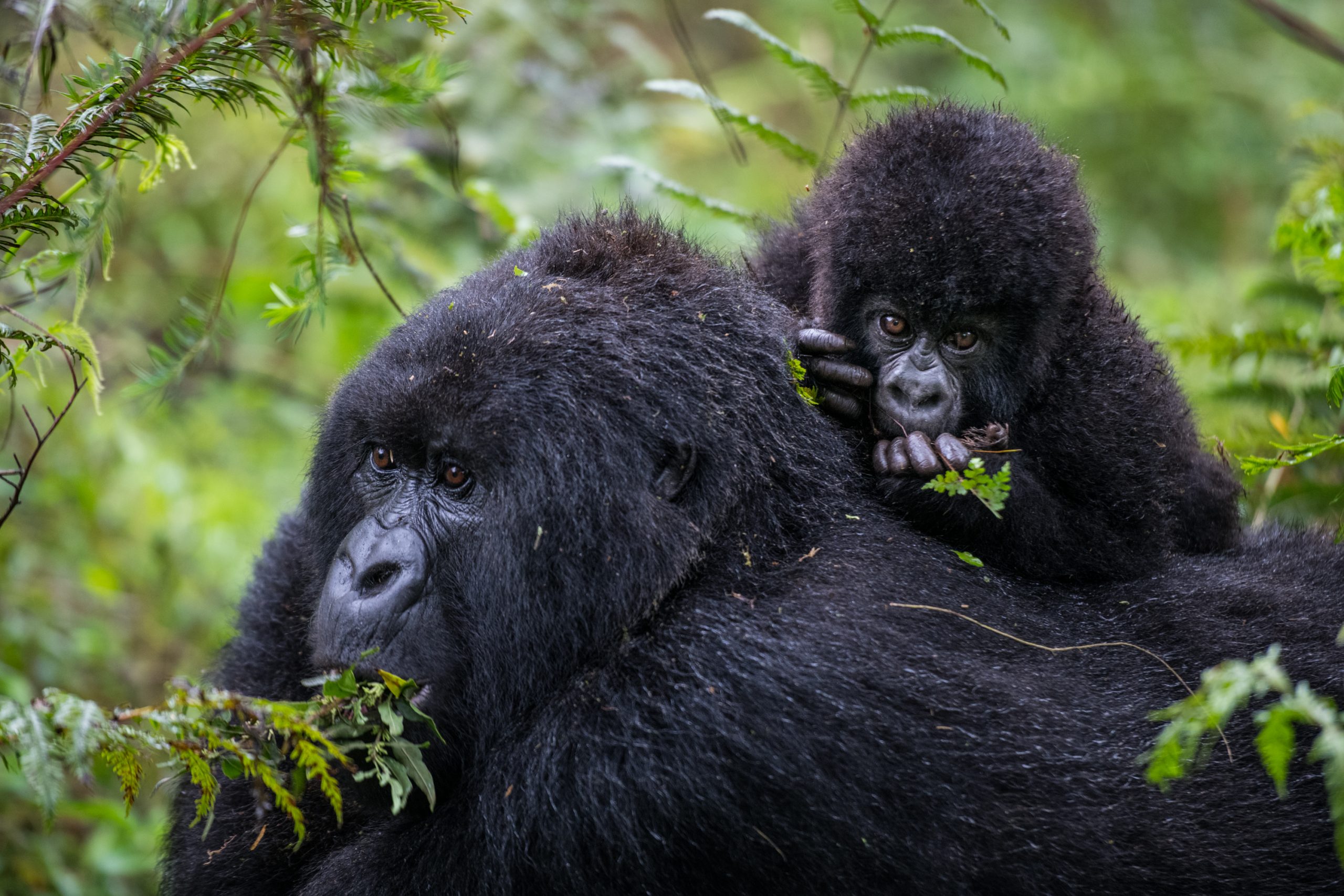
Experienced rangers watch for a handful of specific signals rather than relying on general instinct. Relaxed feeding, casual grooming and a family that continues its normal activity without pausing to watch the visitor group are all signs of a calm, comfortable encounter. Sustained direct staring, a gorilla standing to its full height, or a shift toward tense, deliberate movement are signals rangers take seriously immediately, prompting an instruction to the group to quietly increase distance well before any real escalation would occur.
This is part of why the same ranger teams work the same families repeatedly over months and years. Familiarity with an individual gorilla’s typical behaviour lets a ranger notice something unusual far faster than a first-time observer ever could, which is a large part of what you are actually paying for in a guided trek rather than an unguided one, if such a thing were even permitted.
Why Group Size And Trained Guides Matter
Trekking groups are capped at eight visitors per gorilla family specifically to keep encounters calm and manageable, a limit set by park authorities rather than by tour operators. Every trek is accompanied by armed rangers, present as a precaution against wildlife encounters in the broader forest rather than because of the gorillas specifically, and by guides who have spent years learning to read gorilla behaviour. This combination of small groups and experienced supervision is a large part of why serious incidents remain exceptionally rare across the decades gorilla tourism has operated in the region.
Common Misconceptions Worth Correcting
A surprising number of hesitant travellers picture gorilla trekking through the lens of nature documentaries showing dramatic chest-beating displays or aggressive confrontations, footage that is dramatic precisely because it is rare rather than typical. In reality, the overwhelming majority of treks involve calm observation: a family feeding, resting, grooming or simply going about an ordinary morning while a small group of visitors watches quietly from a respectful distance. The intensity people brace themselves for based on wildlife television rarely matches what actually happens on the trail.
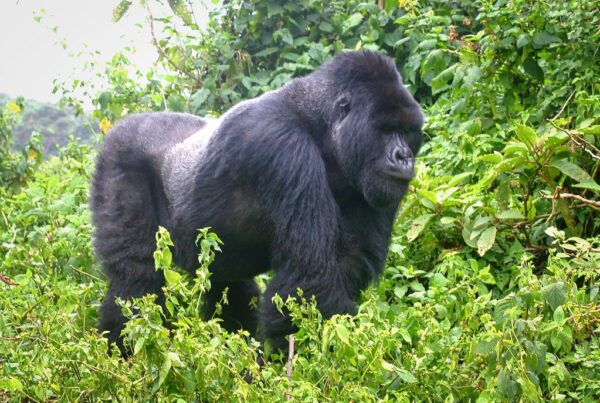
Another common misconception is that larger gorillas are more dangerous than smaller ones. Silverbacks, despite their size, are generally the calmest members of a family once habituated, having spent the most time around trekking groups and having the least to prove in terms of social status within a stable, established troop. Younger or more recently integrated males are occasionally more reactive, and experienced guides account for this when managing group positioning.
What Insurance And Emergency Protocols Look Like
Every reputable operator, including us, requires comprehensive travel insurance covering medical evacuation before confirming a trekking booking, and park authorities in all three countries maintain emergency evacuation procedures for genuine medical incidents on the trail. This is standard practice for remote wilderness activities generally, not a signal that gorilla trekking carries unusual risk. Rangers accompanying every trek carry radio communication back to park headquarters, and lodges near major trekking regions are accustomed to coordinating emergency transport when needed, though such situations remain uncommon.
Putting The Risk In Perspective
Gorilla trekking carries less real risk than many activities travellers take for granted, provided the established rules are followed: keep your distance, stay quiet and low if a gorilla approaches, disclose illness before the trek rather than pushing through it, and trust your guide’s instructions in the moment. The protocols exist because they work, refined over decades of trekking across three countries, and the vast majority of visitors come away with nothing more dramatic than the memory of an hour spent close to one of the most intelligent animals on the planet.
If you still have specific safety questions before booking, whether about a health condition, fitness level or what to expect on the day, reach out through our contact page and we will answer directly rather than pointing you toward generic reassurance.
Safety Questions We Hear Most Often
Has anyone actually been seriously hurt by a gorilla during trekking?
Serious incidents are extremely rare across the decades gorilla trekking has operated commercially in Uganda, Rwanda and DRC. When injuries occur, they overwhelmingly involve the terrain rather than the animals, which is exactly why footwear and honest fitness assessment matter as much as they do.
What happens if I get sick right before my trek?
Tell your guide immediately rather than pushing through it. Anyone showing symptoms of a contagious illness, particularly respiratory symptoms, will be asked to sit that day’s trek out to protect the gorilla family. We work with you on rescheduling where a permit allows it, and this is precisely the kind of situation travel insurance exists for.
Are children safe on a gorilla trek?
Park authorities set a minimum age of fifteen specifically because younger children are considered a higher disease-transmission risk and less predictable in following the strict behavioural guidelines the trek requires. This is a firm rule across all three trekking countries, not a recommendation.