
What A First-Timer Actually Needs To Know Before Booking
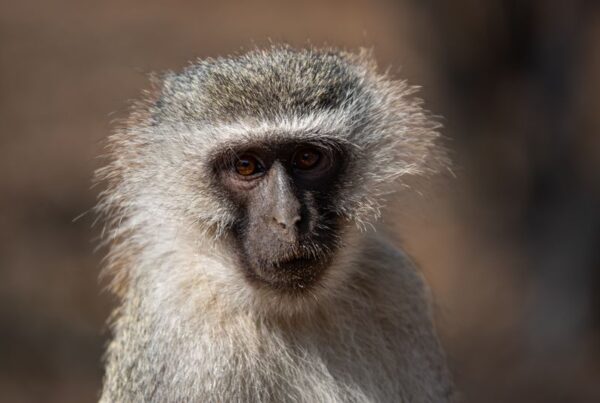
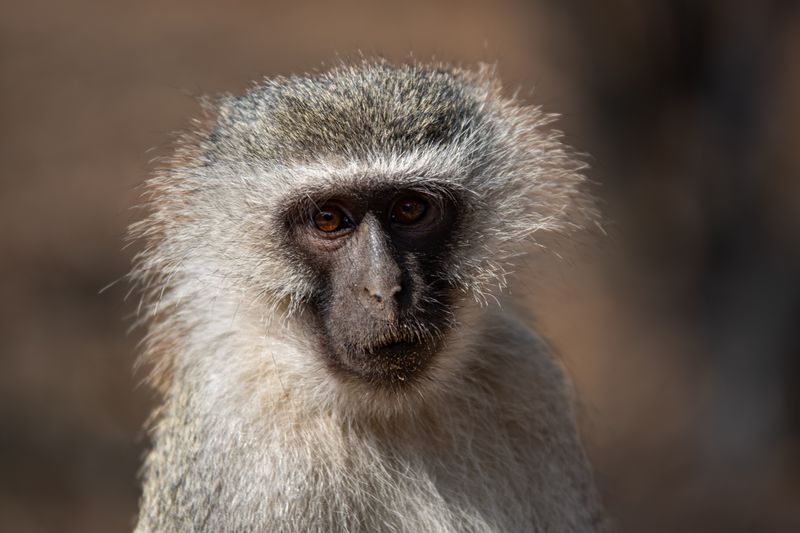
Vervet monkeys are probably the primate you will see the most of on any African safari, and the one you will do the least advance planning around. They turn up in lodge gardens, along roadsides, at picnic stops and throughout savannah and woodland habitat across nearly every country on this site’s list, with no permit, no dedicated trekking product and, frankly, very little need for one. This guide exists less to help you book a vervet-specific activity, since that activity does not really exist as a standalone product, and more to help you understand what you are actually looking at when you inevitably encounter them, and how to interact with them sensibly given how habituated to human presence many populations have become.
Why This Guide Looks Different From The Others In This Series
Every other complete guide in this series walks through booking a specific permit, choosing a country, and preparing for a scheduled trekking day. Vervet monkeys break that pattern entirely, and rather than force an artificial booking process onto a species that simply does not require one, this guide focuses on what actually matters: recognising them correctly, understanding the difference between bold lodge populations and more cautious wild troops, and knowing how to behave around them responsibly given how frequently you will cross paths with them regardless of what else your itinerary includes.
Where You Will Actually See Vervet Monkeys
Everywhere, Practically Speaking
Vervet monkeys occupy an enormous range across sub-Saharan Africa, tolerating everything from dense woodland to open savannah to the immediate vicinity of lodges and towns. Practically every safari itinerary through Uganda, Kenya, Tanzania or Rwanda will include vervet sightings somewhere along the way, usually without any specific planning required.
Lodge Populations Versus Wild Troops
A meaningful distinction worth understanding before your trip: vervet troops living around lodges and camps have often become considerably bolder around humans than genuinely wild populations deeper in protected parkland, sometimes bold enough to snatch unattended food directly from tables or rooms left open. This is worth knowing in advance specifically so you are not caught off guard by behaviour that would be unusual from a more cautious wild troop encountered on a game drive or forest walk.
What This Costs
This absence of cost is worth appreciating on its own terms rather than treated as an afterthought. Across a trip where gorilla permits alone can run into four figures, encountering a genuinely engaging, active primate species at zero marginal cost, repeatedly, throughout your entire itinerary, is a small but real piece of value that easily gets overlooked amid the planning attention larger, more expensive activities understandably receive.
Nothing, in the sense that there is no permit or dedicated fee structure for vervet viewing anywhere in our destination countries. Sightings happen as part of standard game drives, forest walks, or simply time spent around your accommodation, making vervets one of the very few primates on this list that genuinely cost nothing extra to see.
How To Interact With Habituated Lodge Populations Responsibly
Lodge staff generally know their resident troop’s specific habits well and are a good first resource if you are unsure how cautious to be at a particular property; some lodges have troops bold enough to warrant closed-window policies during the day, while others see far less direct contact. Asking on arrival, rather than assuming based on a previous stay elsewhere, is the more reliable approach given how much this varies property to property.
Never feed vervet monkeys, however tempting it is when a troop gathers expectantly near a dining area. Feeding reinforces exactly the bold, food-seeking behaviour that leads to monkeys raiding rooms and snatching food from guests, a problem serious enough that many lodges post explicit signage asking guests not to feed resident troops. Keep room windows and doors closed when you are not present if vervets are active in the area, and treat any bag or food item left unattended outdoors as genuinely at risk, not a theoretical concern.
How Fit You Need To Be
If this question feels oddly out of place compared to the rest of this series, that is intentional; it is included here purely to confirm explicitly that no physical preparation whatsoever is required for this species.
This is not a relevant question for vervet monkeys specifically, since there is no dedicated trek or activity built around seeing them. Sightings happen incidentally during activities you are already doing for other reasons, whether that is a game drive, a forest walk, or simply sitting on a lodge veranda.
What Distinguishes A Vervet Sighting From Other Monkey Encounters
Vervet troops display a genuinely well-studied alarm call system, using distinct vocalisations for different predator types, aerial versus ground-based threats specifically, a discovery that helped establish the wider field of research into whether non-human primates use something functionally similar to referential communication. You are unlikely to witness this system in full during a brief lodge encounter, but it is worth knowing that the animal casually watching you from a garden wall is part of one of the most extensively studied wild primate communication systems in the world.
A Realistic Walkthrough Of A Typical Encounter
Unlike a scheduled trek toward a specific known troop, vervet encounters tend to simply happen: a troop crossing the road ahead of your vehicle, a group foraging near a picnic stop, or resident monkeys watching activity around your lodge from a safe perch. These are typically brief, casual encounters rather than the extended, structured viewing window built into permitted primate trekking, and treating them that way, as a welcome bonus sighting rather than a scheduled highlight, sets the right expectation.
Best Places For A More Deliberate Sighting
Early morning tends to be the most active window even for lodge-habituated troops, as it does for wild populations, since vervets forage more actively in cooler temperatures before settling into a quieter, more rest-focused pattern through the heat of midday.
If you want a more considered look than a passing roadside glimpse, savannah parks in Kenya and Tanzania and the woodland margins of East African forest reserves tend to support larger, more visible troops than deep forest habitat, where other primate species and denser vegetation compete for your attention. Mentioning a specific interest in vervet monkeys during trip planning lets your guide build in a bit more deliberate time around known troop locations rather than leaving every sighting purely to chance.
Photography Considerations
Male vervets display a distinctive, brightly coloured blue scrotum and red-tinged genital area, a feature that surprises photographers reviewing their shots afterward and is thought to play a role in social signalling within troops rather than serving any camouflage or protective function, one of several visually striking details easy to miss during a brief, casual sighting but obvious in a clear photograph.
Habituated lodge populations offer some of the easiest primate photography available anywhere on a typical trip, given how close and tolerant of human presence many resident troops have become. Wild savannah populations require more standard wildlife photography technique, reasonable zoom range and patience, though vervets are generally easier subjects than more skittish species given their overall tolerance of human proximity across most of their range.
What To Bring
The one small exception worth noting: a secure, closable bag for any food you carry with you day to day, given how opportunistic habituated troops around popular stops can be.
Nothing specific beyond whatever gear your broader itinerary already calls for. Vervet sightings require no dedicated equipment, permit paperwork or specialised preparation.
Common First-Timer Questions
Another common question concerns disease risk, given how close contact with lodge-habituated troops can become. General hygiene precautions, not touching monkeys directly and washing hands before eating, are sensible regardless, though vervets do not carry the same specific gorilla-related respiratory disease concerns that drive the strict distance rules around mountain gorilla trekking.
Travellers sometimes ask whether vervet monkeys are dangerous, given how close lodge-habituated troops sometimes come. Genuine aggression toward humans is rare, though bold food-snatching behaviour around habituated populations is common enough to warrant real caution with food and open rooms. Others ask whether it is worth requesting a specific vervet-focused activity; given how reliably they appear across almost any itinerary already, a dedicated activity is rarely necessary.
What Genuinely Wild Populations Add To A Trip
Beyond the lodge encounters most travellers experience, genuinely wild vervet troops observed during a game drive or bush walk, away from any human food source, display noticeably more natural foraging and social behaviour than the more opportunistic, food-focused activity typical of habituated lodge populations. If you have the chance to watch a wild troop for a few minutes during a longer game drive stop, it is worth taking, since it shows a genuinely different, less human-influenced side of the same species you will otherwise encounter mostly around accommodation.
Making The Most Of An Encounter You Did Not Have To Plan
Reach out through our contact page if you want your itinerary to include more deliberate time around known vervet populations, or if you have specific questions about managing lodge-habituated troops during your stay.