African Primates: An Overview for Travelers
African Primates: An Overview for Travelers
Africa is home to some of the world’s most important and fascinating primates, many of which are closely related to humans and found nowhere else on Earth. These primates inhabit rainforests, montane forests, savannahs, and riverine ecosystems across Central, East, and West Africa. Each species offers a unique wildlife experience shaped by its habitat, behavior, and conservation status.
Mountain Gorillas
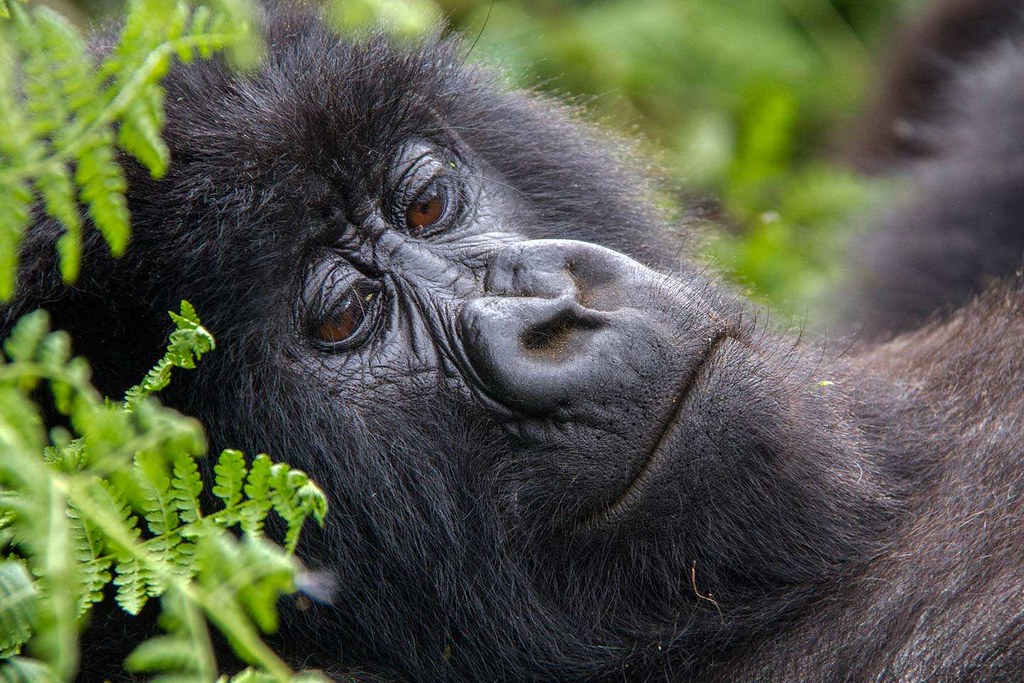
Mountain gorillas are among the most iconic African primates and are found only in the high-altitude forests of East and Central Africa. They live in the Virunga Mountains, spanning Uganda, Rwanda, and the Democratic Republic of Congo, as well as Bwindi Impenetrable Forest in Uganda. The best time to visit mountain gorillas is during the drier months from June to September and December to February, when trekking conditions are easier. Uganda and Rwanda are the most popular destinations due to strong conservation programs and well-organized trekking experiences.
Eastern and Western Lowland Gorillas
Lowland gorillas inhabit dense tropical rainforests of Central and West Africa. Eastern lowland gorillas are found in the eastern Democratic Republic of Congo, while western lowland gorillas range across Gabon, the Republic of Congo, Cameroon, and Central African Republic. These gorillas live at lower elevations than mountain gorillas and are more widespread. The best time to visit generally coincides with drier forest periods, often between June and September, though conditions vary by country. Gorilla trekking for lowland species is more limited and often combined with conservation-focused travel.
Chimpanzees
Chimpanzees are highly intelligent and social primates found across equatorial Africa. In East Africa, they are commonly seen in Uganda, Tanzania, and Rwanda, while West and Central Africa host additional populations. Notable chimpanzee trekking destinations include Kibale Forest and Budongo Forest in Uganda, Gombe Stream and Mahale Mountains in Tanzania, and Nyungwe Forest in Rwanda. The best time to see chimpanzees is during the dry seasons, particularly June to September and December to February, when forest trails are more accessible and chimp movements are easier to track.
Bonobos
Bonobos are a rare and unique primate species found only in the Democratic Republic of Congo, south of the Congo River. They are closely related to chimpanzees but are known for more peaceful social structures and strong female bonds. Bonobo tourism is limited and primarily conservation-driven. The most favorable visiting periods are during relatively drier months, often from June to August. Travel to see bonobos is best suited for experienced travelers with a strong interest in primate conservation.
Golden Monkeys
Golden monkeys are striking primates with bright orange-gold fur and are restricted to the Virunga volcanic region. They are found in Uganda’s Mgahinga Gorilla National Park, Rwanda’s Volcanoes National Park, and parts of eastern Democratic Republic of Congo. Golden monkey tracking is less strenuous than gorilla trekking and can be enjoyed year-round, though the drier seasons from June to September and December to February are preferred for easier hiking conditions.
Colobus Monkeys
Colobus monkeys, particularly black-and-white colobus, are widely distributed across East and Central Africa. They are found in Uganda, Kenya, Tanzania, Rwanda, and parts of Central Africa, living mainly in forest canopies. These monkeys are known for their long tails and leaf-based diet. They can be seen throughout the year, with no strict seasonal limitations, though dry months offer better forest visibility. They are commonly encountered during forest walks and cultural or eco-tourism experiences.
Baboons
Baboons are among the most adaptable African primates and are found across much of sub-Saharan Africa. Olive baboons, yellow baboons, and chacma baboons inhabit savannahs, woodlands, and even areas close to human settlements in countries such as Kenya, Tanzania, Uganda, Ethiopia, and South Africa. Baboons can be seen year-round, making them one of the easiest primates to observe on safari, particularly during dry seasons when they gather near water sources.
Vervet and Blue Monkeys
Vervet monkeys and blue monkeys are common across East and Southern Africa, thriving in forests, riverine areas, and open woodlands. They are frequently seen in Uganda, Kenya, Tanzania, Rwanda, and Zambia. These monkeys are active during the day and easy to spot throughout the year. The best viewing conditions occur during dry seasons when vegetation is less dense and movement is more visible.
Best Time Overall to Visit African Primates
While most African primates can be seen year-round, the most favorable times are generally during the dry seasons, when trekking and forest access are easier. June to September and December to February are considered ideal for primate-focused travel across East Africa. Wet seasons offer lush landscapes and fewer crowds but require greater physical effort and flexibility.
Why Africa Is the Ultimate Primate Destination
Africa’s primates are unique due to their evolutionary importance, diversity, and the intimate way travelers can experience them in natural habitats. From close encounters with mountain gorillas to tracking chimpanzees through ancient forests, primate experiences in Africa are deeply personal and conservation-driven. With strong protection efforts and responsible tourism practices, Africa remains the world’s leading destination for authentic primate encounters.