



African Primates: Where They Are Found and the Best Time to Visit
Africa is home to some of the world’s most important primate species, many of which are closely related to humans and found nowhere else on Earth. Each primate species occupies a specific habitat and region, offering travelers unique wildlife experiences throughout the continent. Below is a brief, independent overview of Africa’s key primates, where they are found, and the best time to see them.
Mountain Gorillas
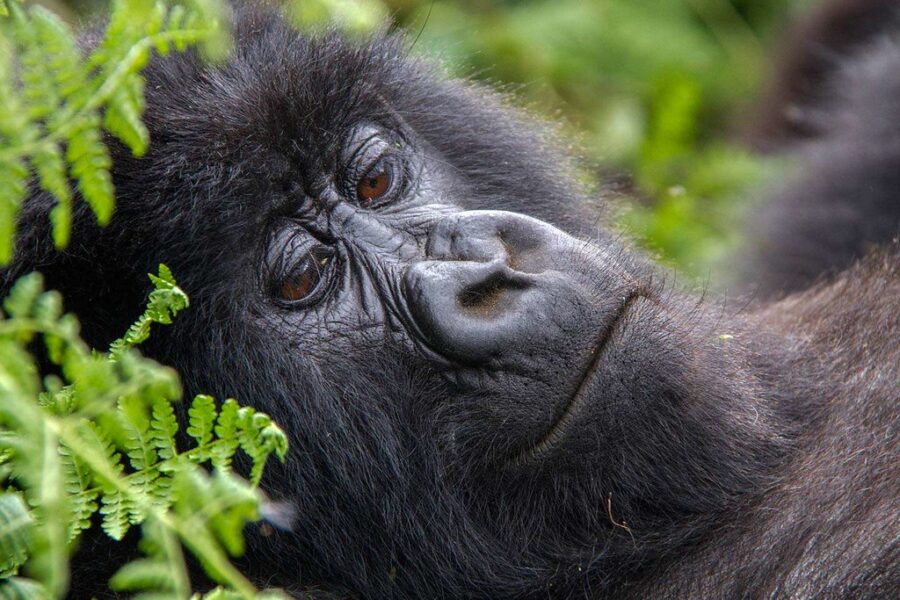
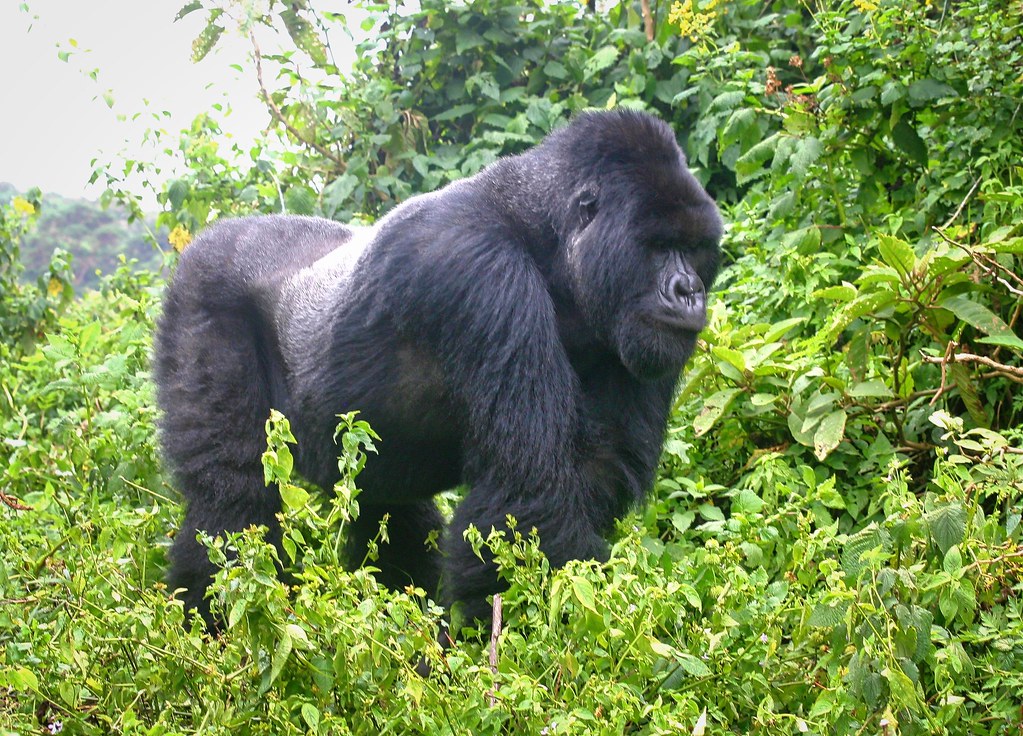
Mountain gorillas are among Africa’s most iconic and endangered primates. They live exclusively in the misty high-altitude forests of the Albertine Rift. The main countries where mountain gorillas are found are Uganda, Rwanda, and the Democratic Republic of Congo. In Uganda, they inhabit Bwindi Impenetrable National Park and Mgahinga Gorilla National Park, while Rwanda’s population is protected in Volcanoes National Park.
The best time to visit mountain gorillas is during the drier seasons, from June to September and from December to February, when forest trails are less slippery and trekking conditions are more manageable.
Chimpanzees
Chimpanzees are highly intelligent primates known for tool use, hunting behavior, and complex social systems. They are widely distributed across central and East Africa. In East Africa, Uganda is a prime destination, with major populations found in Kibale Forest National Park, Budongo Forest, Kyambura Gorge, and Kalinzu Forest. Tanzania also offers excellent chimpanzee trekking in Gombe Stream and Mahale Mountains National Parks.
Chimpanzee trekking is best during the dry months, especially from June to September and December to February, when forest access is easier and sightings are more predictable.
Bonobos
Bonobos are closely related to chimpanzees but are found only in the Democratic Republic of Congo. They inhabit lowland rainforests south of the Congo River and are known for their peaceful social behavior and strong female-led communities.
The best time to see bonobos is during the drier periods of the year, typically from June to September, although access remains limited and requires specialized travel planning due to their remote habitat.
Golden Monkeys
Golden monkeys are striking primates with golden-orange fur, living in high-altitude bamboo forests. They are found in Uganda, Rwanda, and the Democratic Republic of Congo, particularly within the Virunga mountain range. In Uganda, golden monkeys can be tracked in Mgahinga Gorilla National Park.
The best time to visit golden monkeys aligns with gorilla trekking seasons, especially during the drier months from June to September and December to February.
Black-and-White Colobus Monkeys
Black-and-white colobus monkeys are easily recognized by their long white mantles and tails. They inhabit forests across East and Central Africa, including Uganda, Kenya, Tanzania, Rwanda, and Ethiopia. In Uganda, they are commonly seen in Kibale Forest, Bwindi, and along forest edges in several national parks.
These monkeys can be seen year-round, but the dry seasons provide better visibility and easier forest walks.
Red-Tailed Monkeys
Red-tailed monkeys are small, agile primates found in forested regions of East and Central Africa. They are common in Uganda, Rwanda, Kenya, and Tanzania, particularly in lowland and mid-altitude forests.
They are active throughout the year, though sightings are best during dry seasons when forest conditions are favorable for walking and photography.
Olive Baboons
Olive baboons are among the most adaptable African primates, thriving in savannahs, woodlands, and even near human settlements. They are widely distributed across East Africa, including Uganda, Kenya, Tanzania, Ethiopia, and Rwanda.
Baboons can be seen year-round, making them one of the easiest primates to observe regardless of season.
Vervet Monkeys
Vervet monkeys are common across East and Southern Africa and are easily identified by their gray fur and black faces. They are found in Uganda, Kenya, Tanzania, Rwanda, and many other African countries, often near rivers, forests, and open grasslands.
They are present throughout the year, with no specific seasonal limitations for viewing.
Blue Monkeys
Blue monkeys inhabit dense forests and montane regions of East Africa. They are commonly found in Uganda, Rwanda, and Kenya, particularly in forest reserves and national parks with thick vegetation.
The best time to see blue monkeys is during the dry seasons when forest access is easier and visibility improves.
Why African Primates Are Unique
African primates are unique due to their evolutionary importance, behavioral intelligence, and ecological role. Many species contribute to forest regeneration through seed dispersal, while others provide critical insight into human evolution. Their restricted habitats and vulnerability to environmental change make primate tourism closely linked to conservation efforts.
For travelers seeking meaningful wildlife encounters, Africa’s primates offer intimate, educational, and unforgettable experiences across diverse landscapes and season